One of the most common things I hear is, “I over-plucked my brows years ago and they never grew back.”
Brow hair grows in cycles of growth, rest and shedding. Follicles are the small structures in the skin from which each hair grows. Repeated plucking over many years can damage follicles and, in some areas, lead to slower or reduced regrowth. Age, hormonal changes, stress and some medical conditions can also contribute to thinning brows. If yours have thinned suddenly, or for no obvious reason, I would ask you to see your doctor before considering anything cosmetic.
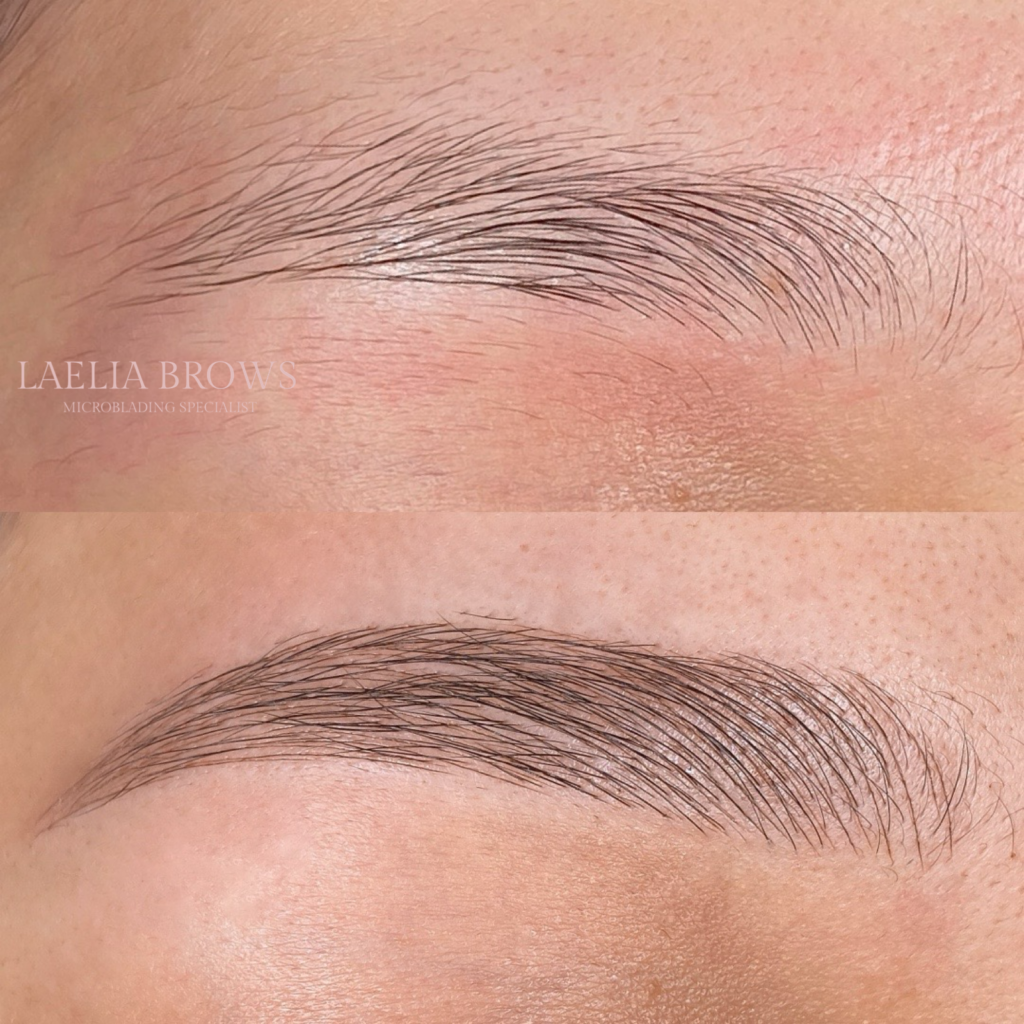
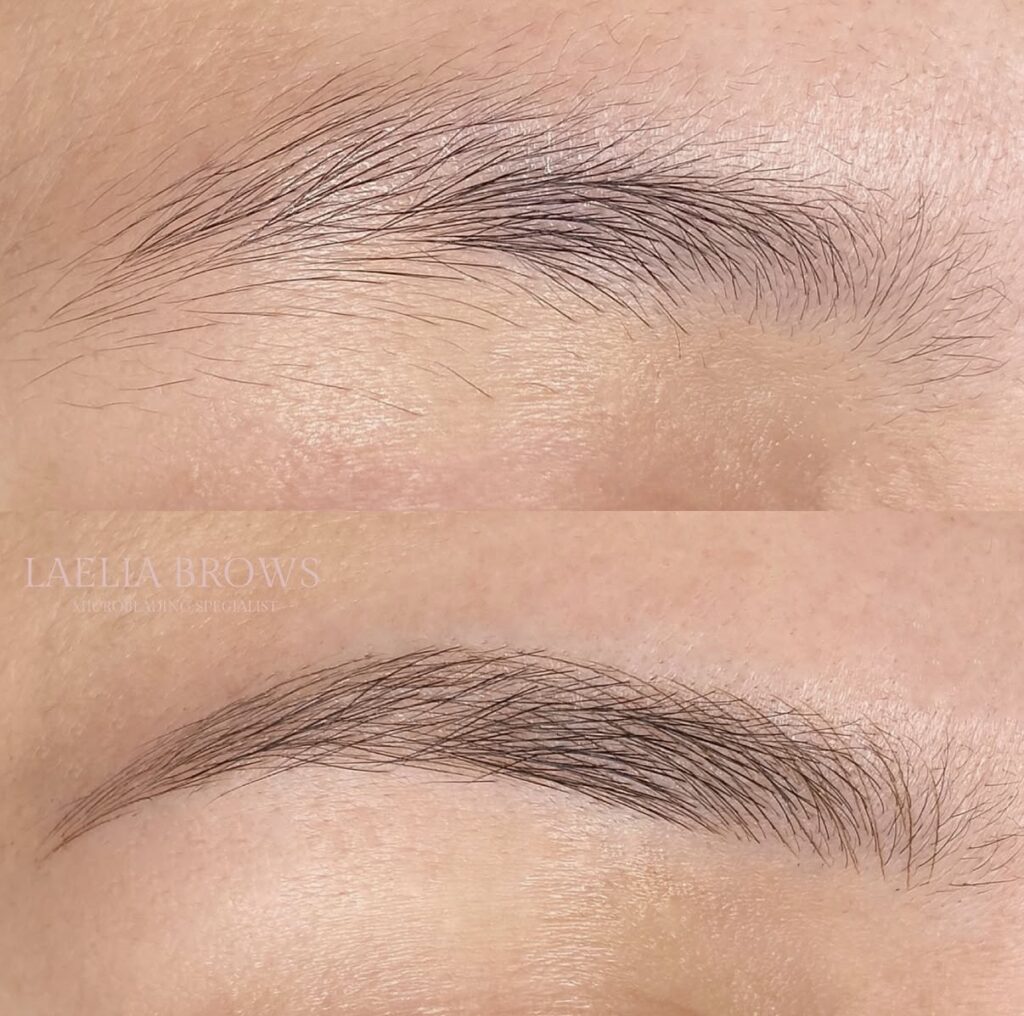
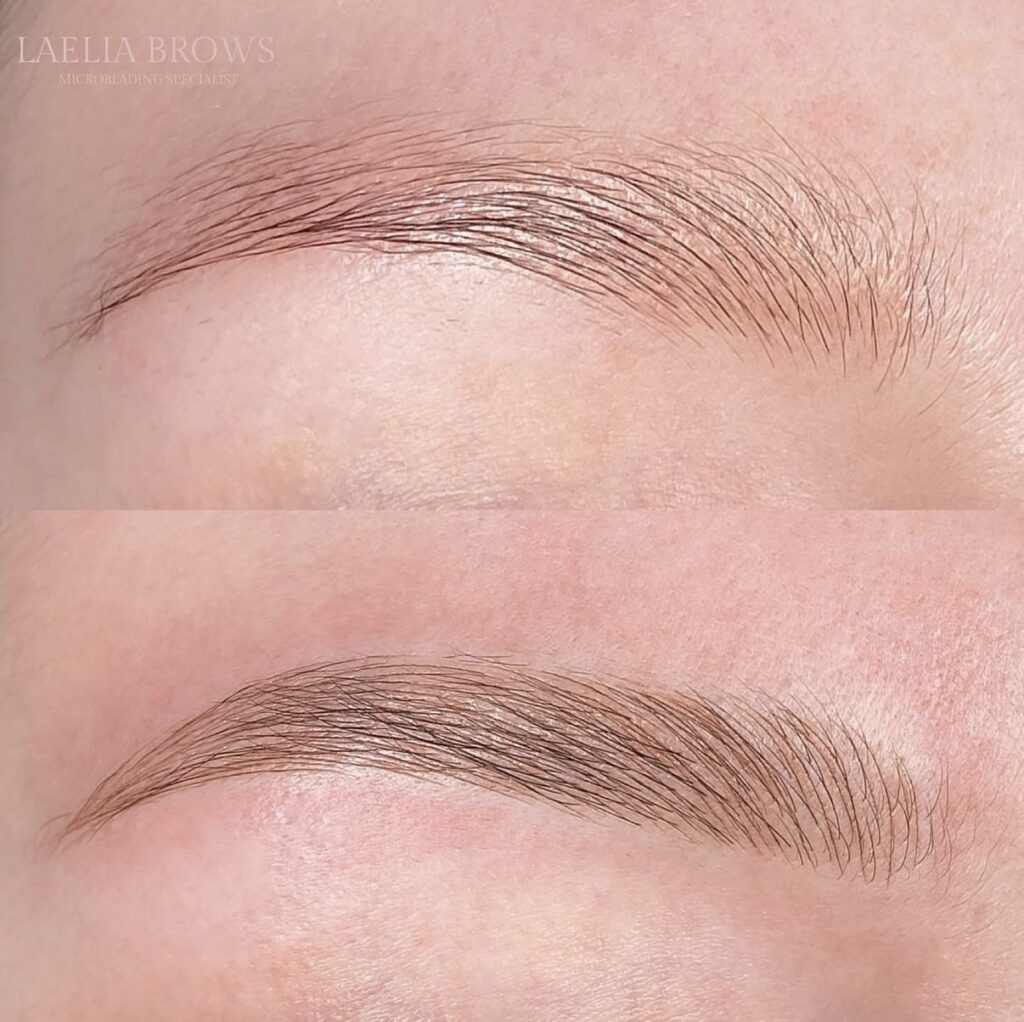
Sometimes hair returns. If plucking stopped recently, follicles that are still active can regrow, though it may take several months. Sometimes only part of it returns, or none of it. This is where microblading can have a place, provided the skin and existing brow hair are suitable. It does not make hair grow. It creates the appearance of hair, using fine strokes of pigment placed in the skin in the pattern your brows would naturally follow.
I also meet many clients whose brows are sparse because of trichotillomania, a hair-pulling disorder in which there is a recurring urge to pull out hair, most often from the scalp, brows or lashes. For some people the pulling is deliberate, and for others it happens without them noticing. If this is your experience, know that I see this more often than you might think.
Microblading can restore the appearance of fuller brows, because the strokes sit in the skin and are not affected if hair is pulled. It is not a treatment for trichotillomania, and it will not stop the urge to pull. What it can offer is brows that look natural and settled, without the daily reliance on makeup.
The healing period needs the most care. For the first weeks the skin is tender and flaking, and touching, picking or pulling at it can lift pigment and cause uneven healing. At your consultation we talk openly about how this affects you, so that we can plan aftercare and timing that give your skin the best chance to heal well. If a doctor or therapist is supporting you, I am glad to work alongside their advice. There is no pressure and no judgement in this conversation. It simply helps me protect your result.
Regardless of why your brows have become sparse, the way I approach them is the same: I look at how your natural brow grows before deciding where any strokes should go. Every brow has a natural structure that the shape is built around, along with a direction of growth. The hairs at the head of the brow tend to grow upward, through the body they angle and lie across, and at the tail they sweep downward. Even sparse brows show this pattern in whatever hairs remain, and I follow them. Where there are none, I map from your anatomy: the brow bone, the eye and the proportions of your face.
Sparse brows carry a risk that fuller brows do not, and it is the temptation to compensate. When there is little hair, it is easy to build too much pigment or too many strokes in one place, and the result can read as drawn rather than grown. I work the other way. The first appointment is deliberately conservative, and density is built at your perfecting appointment six to eight weeks later, once I can see how your skin has healed. Spacing the strokes so that your own hairs and the microbladed strokes sit together is what makes the result soft.
There is one thing I ask of you beforehand. Where hairs remain, they are valuable, because they show me how your brows grow. If you can, avoid plucking, waxing or threading in the weeks before your appointment. Afterwards, let any hairs that grow through stay where they are, and resist reshaping.
The goal is never to make sparse brows look fuller for the sake of it. It is to restore enough definition that they feel balanced, natural and still like your brows.